


Results:

Results:

Described here is a method for creating three-dimensional representations of binary numbers, which Gauge Computing leverages to solve difficult computational problems. The mapping process detailed here results in distinct geometric forms representing numbers and provides a way to visualize numerical relationships.
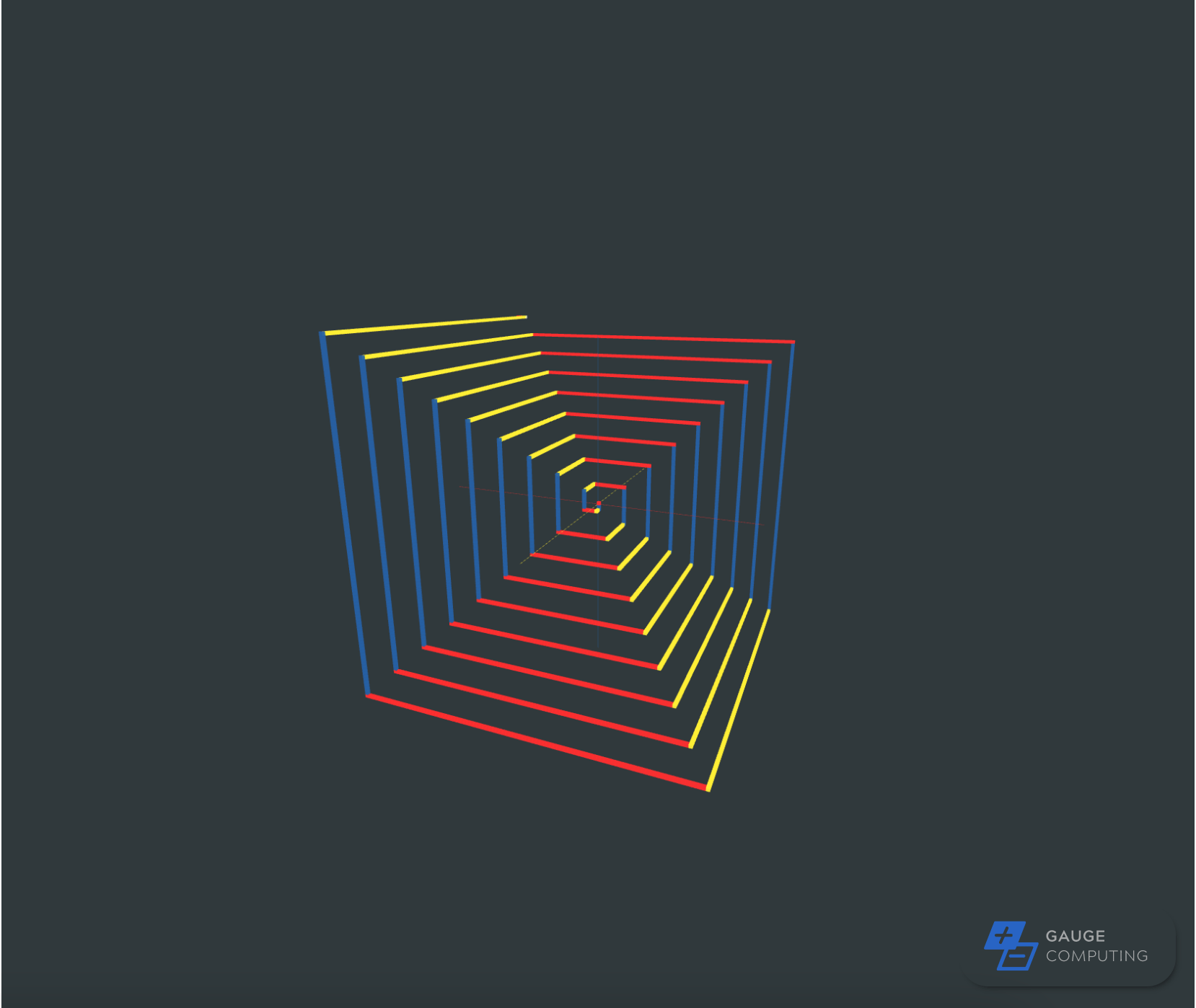
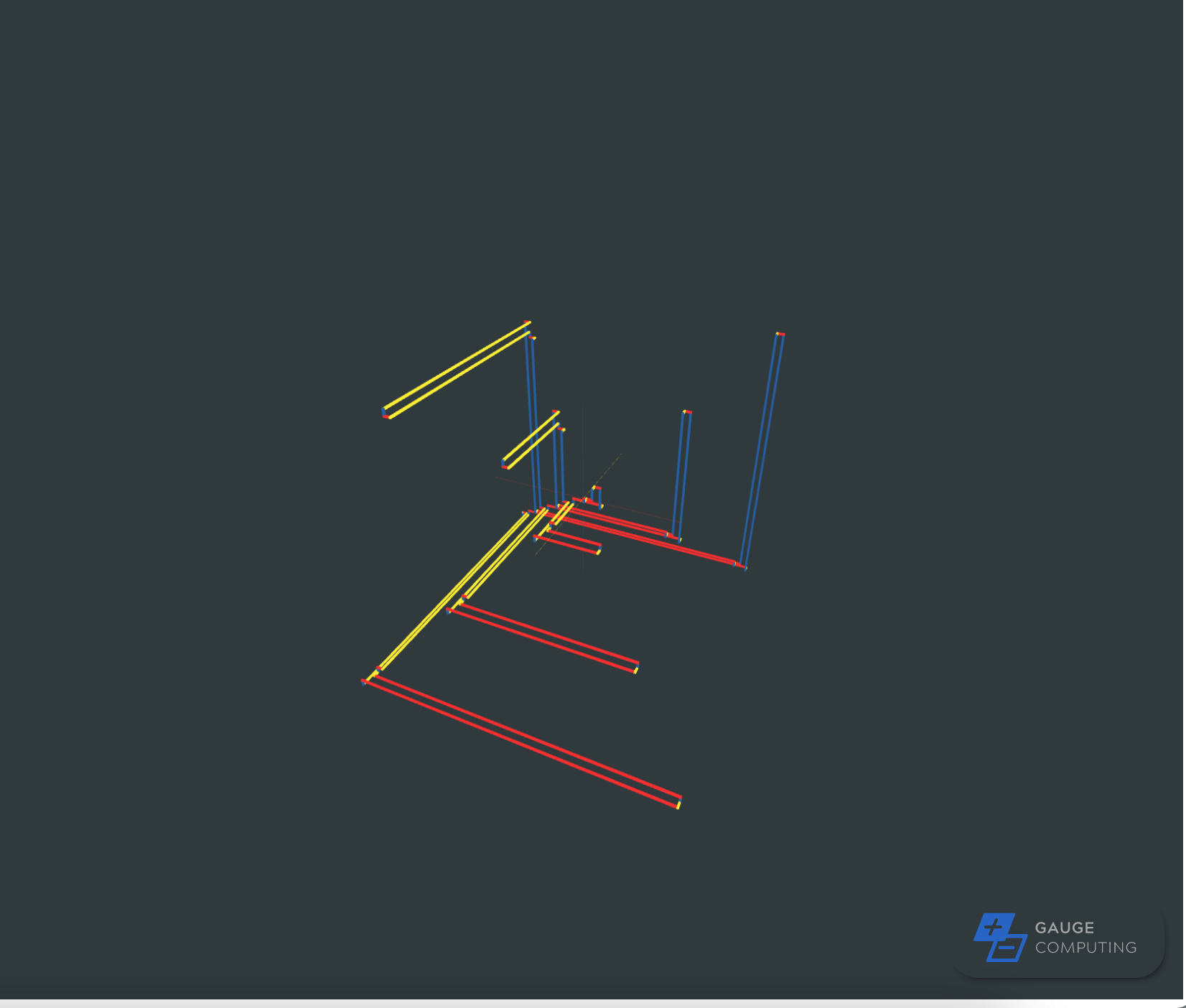
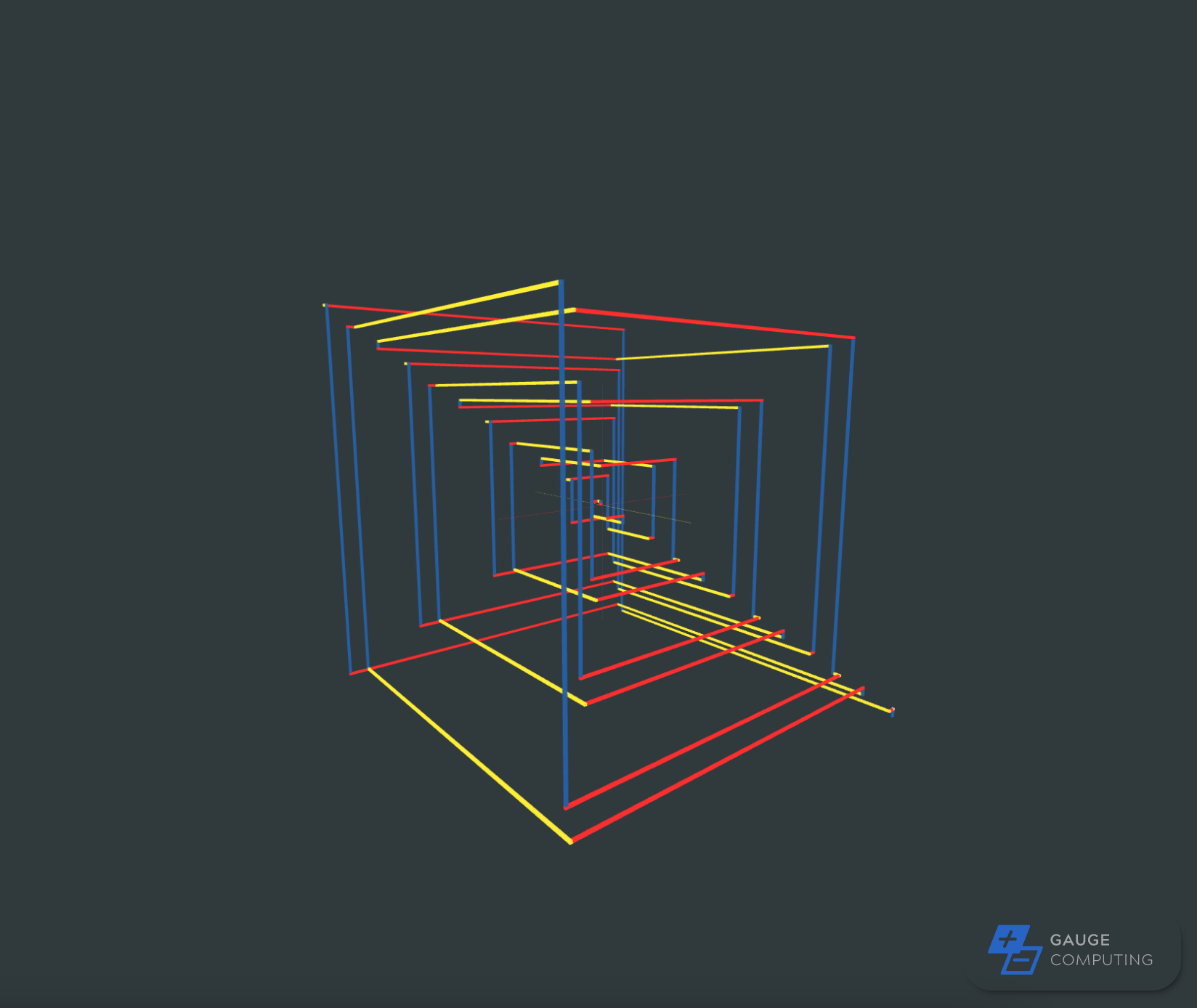
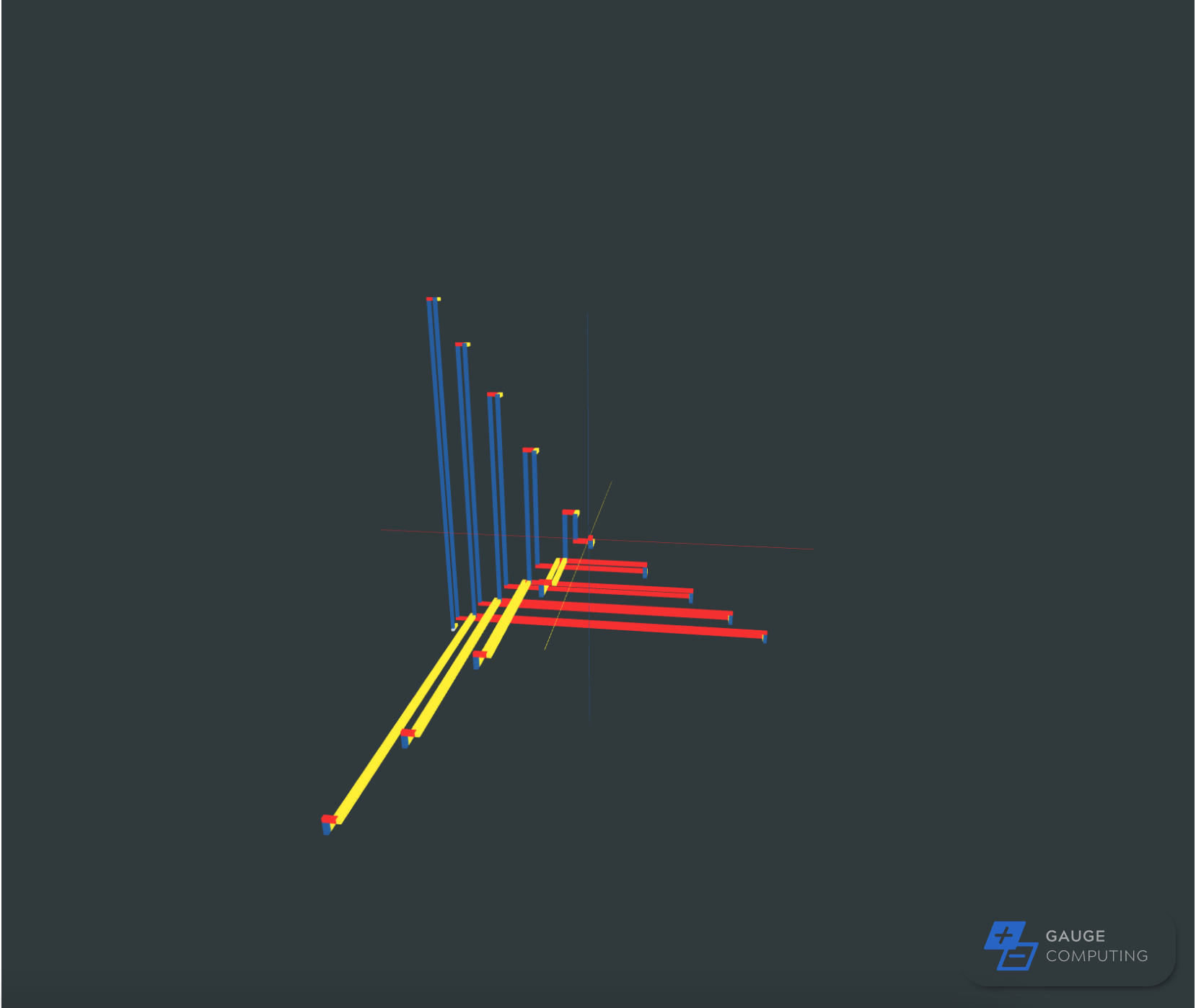
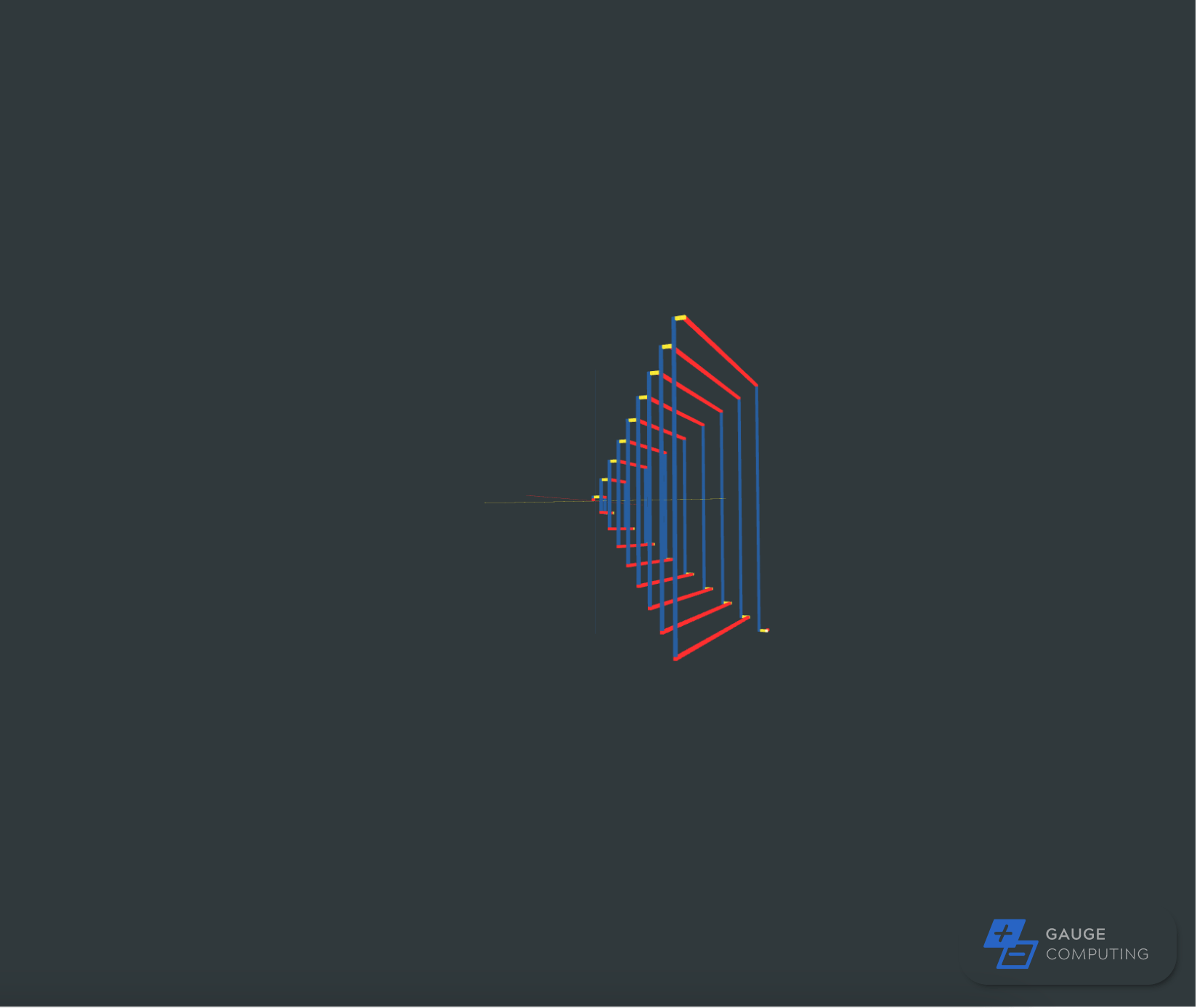
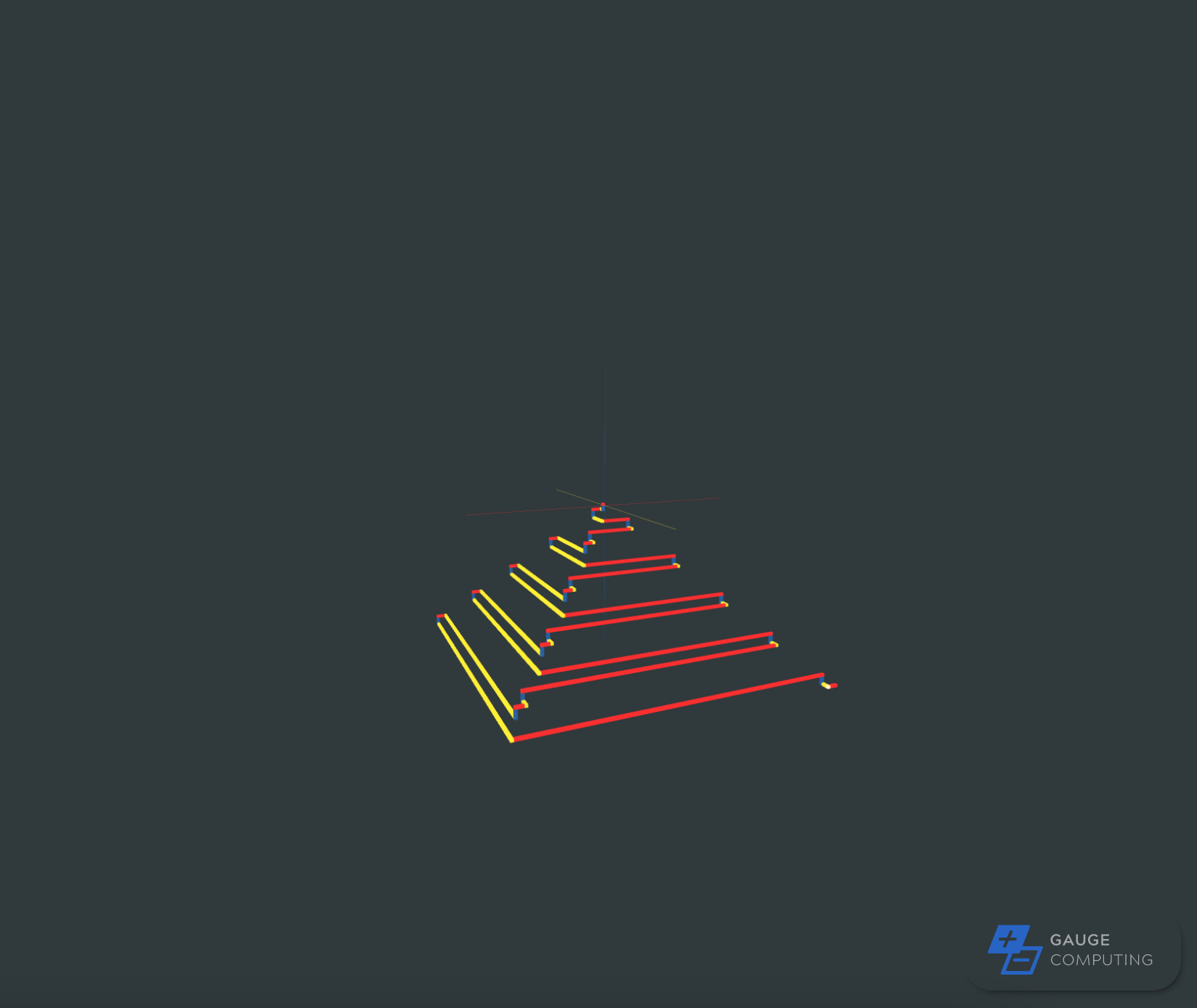
To plot binary numbers in this way, this system modifies binary notation; instead of using 1 and 0, this system uses 1 and -1. For example, the number 101 in binary (or 5 in decimal notation) is written as 1 -1 1.
To explain the process for plotting binary numbers in 3D space, we’ll use the number 49 (110001 in binary) as an example.
The first step is to convert the number to the notation using 1 and -1:
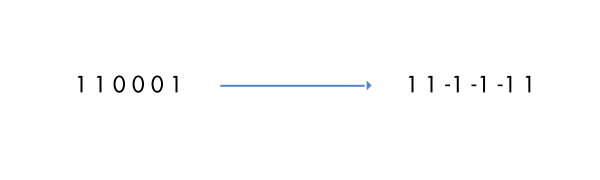
Next, assignments to the three axes are appended to each digit in the number. Starting from the right and continuing left, we cycle through X, Y, and Z, appending in succession, until each digit has an assignment.

Additionally, we append the digit’s position in the number as a subscript:

This is the completed notation that can be plotted to 3D space.
Creating Geometric Binary
To create these shapes, we plot cubes representing each digit in the binary number. Red blocks are used for digits with an X-axis assignment, blue for those with a Y assignment, and yellow for those with a Z assignment. Also, in these examples, we connect each coordinate with the preceding coordinate, which creates a single form for the number. On the X-axis, negative values are placed on the left, while positive values are on the right. On the Y-axis, negative values are placed downward, while positive values are placed upward. On the Z-axis, positive digits are plotted toward the foreground and negative digits are plotted toward the background.
Starting from right to left, the first digit is a positive 1:
On the X-axis, positive is in the right- hand direction; we plot a block on the right-hand side along the X-axis. The digit is in the first position of the number. We therefore place it one unit from the origin along the X-axis (measured at the block’s face on the right).

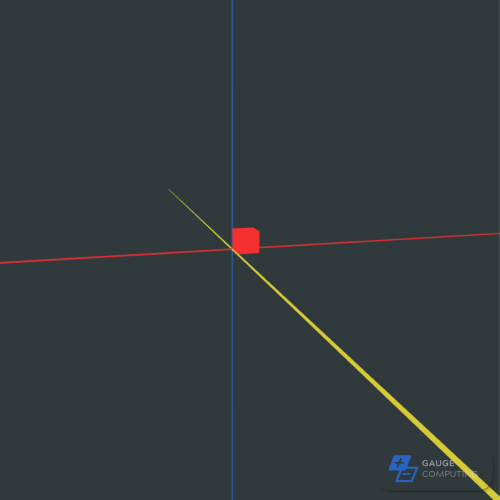
The next digit in the binary number is a -1. This is given a Y-axis assignment. On the Y-axis, negative values are placed downward; therefore, we plot a block below, along the Y-axis. The digit is in the second position of the number. We therefore place it two units from the origin along the Y- axis (measured at the bottom face of the block).

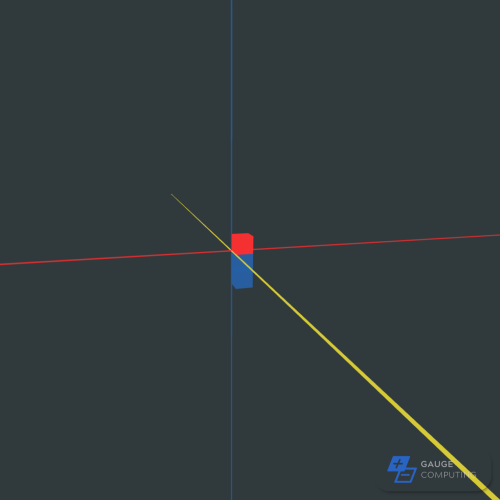
The next value in the binary number is -1. This is given a Z-axis assignment. On the Z-axis, negative is the direction toward the background. Therefore, we plot a block on this side along the Z-axis. The digit is in the third position of the number. We therefore place it three units from the origin along the Z-axis. As noted earlier, we connect this new coordinate to the previous block which creates a single form for the number.

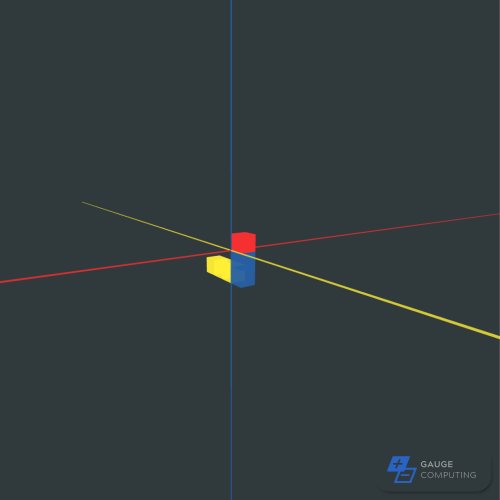
The next value in the binary number is -1. This is given an X-axis assignment. On the X-axis, negative is in the left direction. Therefore, we plot a block on the left side along the X-axis. The digit is in the fourth position of the number. We therefore place it four units from the origin along the X- axis. Again, we connect the new block to the previous.

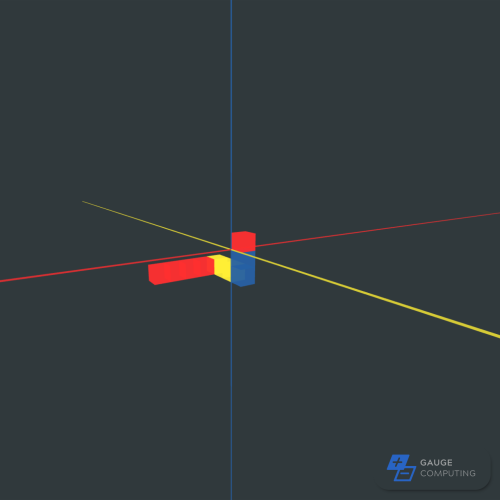
The next value in the binary number is a positive 1. This is given a Y-axis assignment. On the Y-axis, positive is in the upward direction. Therefore, we plot a block upward along the Y- axis. The digit is in the fifth position of the number. We therefore place it five units from the origin along the Y-axis.

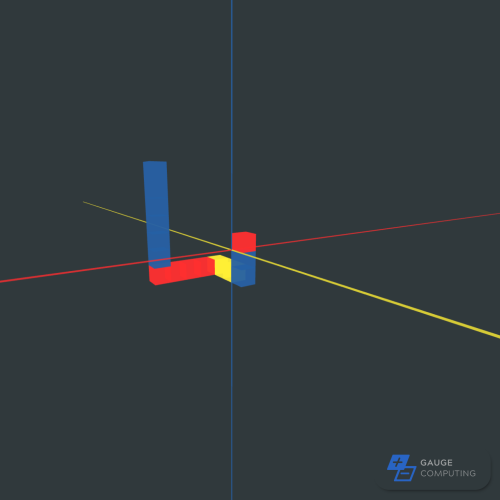
The last digit in the binary number is a positive 1. This is given a Z-axis assignment. On the Z-axis, positive is the direction toward the foreground. Therefore, we plot a block along this side of the Z-axis. The digit is in the sixth position of the number. We therefore place it six units from the origin along the Z-axis.

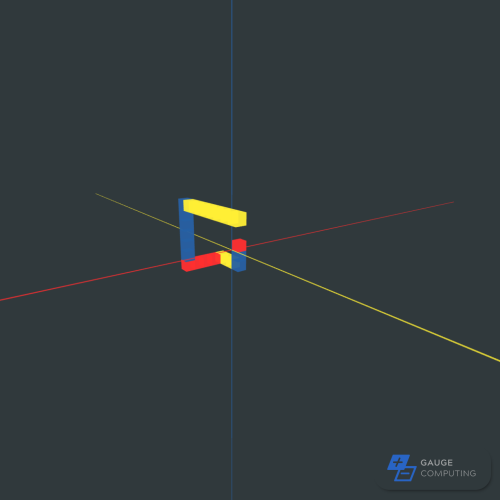
This completes the process for plotting number 49 ( 1 1 -1 -1 -1 1 )